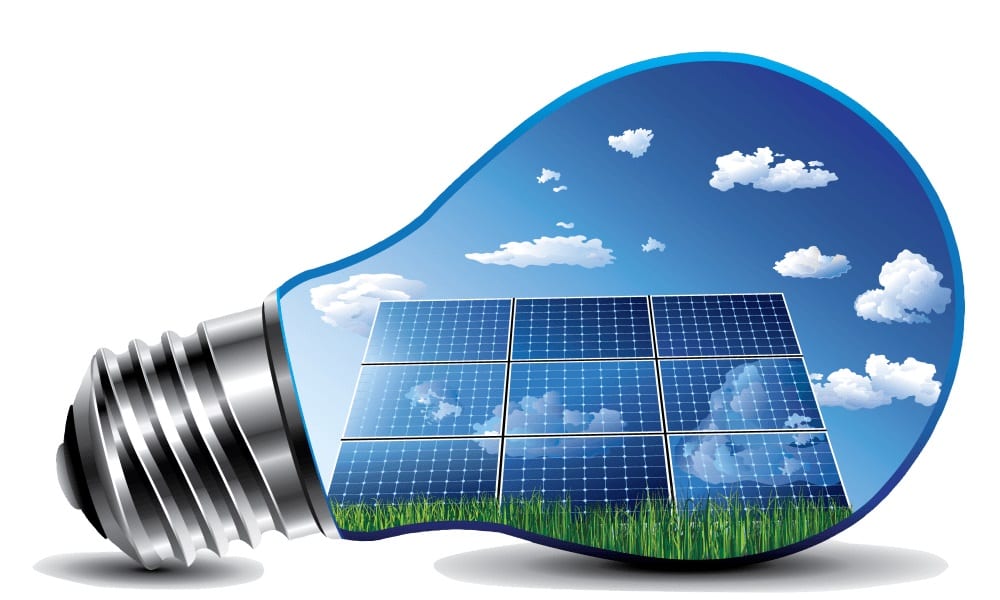
The government is still encouraging investment in solar energy and other alternative energy sources. As an incentive, the Internal Revenue Code offers a credit to taxpayers who install solar energy equipment in the form of a 30% credit for the costs of the solar panels and related equipment and material installed to generate electricity. It offers this incentive for residential and commercial buildings.
The credit eligibility is as follows:
• 30% is available if the property was placed in service in a residence before January 1, 2020,
• 26% credit if the property was placed in service in a residence after December 31, 2019, and before Jan. 1, 2021,
• 22% credit if the property was placed in service in a residence after December 31, 2020, and before January 1, 2022.
• 30% credit for solar energy equipment in commercial property if construction begins before January 1, 2022.
Clients have often questioned how much of the equipment and materials can be included for purposes of calculating the credit. Can the entire cost of a new roof being installed in conjunction with the solar panels count? Does it matter if the roof is in need of repair?
RESIDENTIAL CONSIDERATIONS
In regards to the residential energy efficient property credit, the rules say an individual is allowed an amount equal to the sum of the qualified solar electric property expenditures. A qualified solar electric property expenditure (QSEPE) means an expenditure for property which uses solar energy to generate electricity for use in a dwelling unit in the U.S. used as a residence of the taxpayer. The rules also state that labor costs for onsite preparation, assembly, installation, and for piping or wiring to connect the property to the dwelling unit shall be taken into account when calculating the QSEPE. Additionally, it is stated that no expenditure relating to a solar panel or other property installed as a roof “shall fail to be treated as QSEPE solely because it constitutes a structural component of the structure on which it is installed.”
Some IRS guidance is helpful in defining what may be counted as QSEPE. In Letter Ruling 201130003 the IRS concluded in one taxpayer’s case that costs related to solar panels, solar subpanels, portions of the air conditioning condensing unit, and wiring components are all QSEPEs.
In Letter Ruling 201809003, the IRS found that a “battery” that stores solar electricity generated by a solar energy system for use in a dwelling unit, as well as a software management tool necessary to monitor the charging and discharging of solar energy, is a properly includible cost in calculating the QSEPE amount.
Notice 2013-70 explains that in the case of a newly constructed home, to determine the cost of the qualifying property the taxpayer may request that the homebuilder make a reasonable allocation, or the taxpayer may use any other reasonable method to determine the cost of the property that is eligible for the credit.
COMMERCIAL CONSIDERATIONS
When considering the commercial energy credit, energy property is defined as any equipment which uses solar energy to generate electricity to the structure and equipment which uses solar energy to illuminate the inside of a structure. Solar energy property includes equipment and materials, as well as parts related to the functioning of such equipment that use solar energy directly to:
• Heat or cool a building or structure, or
• Provide hot water for use within a building or structure.
Solar energy property includes storage devices, power conditioning equipment, transfer equipment, and parts related to the functioning of those items. Additionally, pipes and ducts that are used exclusively to carry energy derived from solar energy are solar energy property. However, solar energy property used to generate electricity includes only equipment up to, but not including, the stage that transmits or uses electricity.
Letter Ruling 201523014 is instructive on the application of the energy credit as it relates to the roof of a structure. In its analysis, the IRS talks about “incremental cost.” For commercial solar energy we can reasonably assume then that the IRS would take a position permitting “incremental costs,” to be included in calculating the energy credit when adding a new roof and solar panels to the property.
So the real question remains – would the cost of a new roof be permitted to be included when calculating the energy credit? Both Code sections refer to “solar energy to generate electricity” for purposes of receiving the tax credit. Letter Ruling 20153014 only permits the “incremental costs” of a new roof, limiting the amount that may be included for the energy tax credit only to amounts that exceed the cost to install a new normal roof. Therefore, it is reasonable to believe the IRS would not permit the entire cost of the new roof being installed as part of a solar energy upgrade.
CONTACT US: The benefits of solar energy for residential and commercial use include utility savings, getting in the LEED by going green, increased property values, and tax incentives. As the cost of solar is dropping across the nation, and financing is more readily available, the attractiveness of using tax incentives to make your dream of a smaller carbon footprint a reality has increased. Contact us with your tax questions toll free at 855-534-2727.