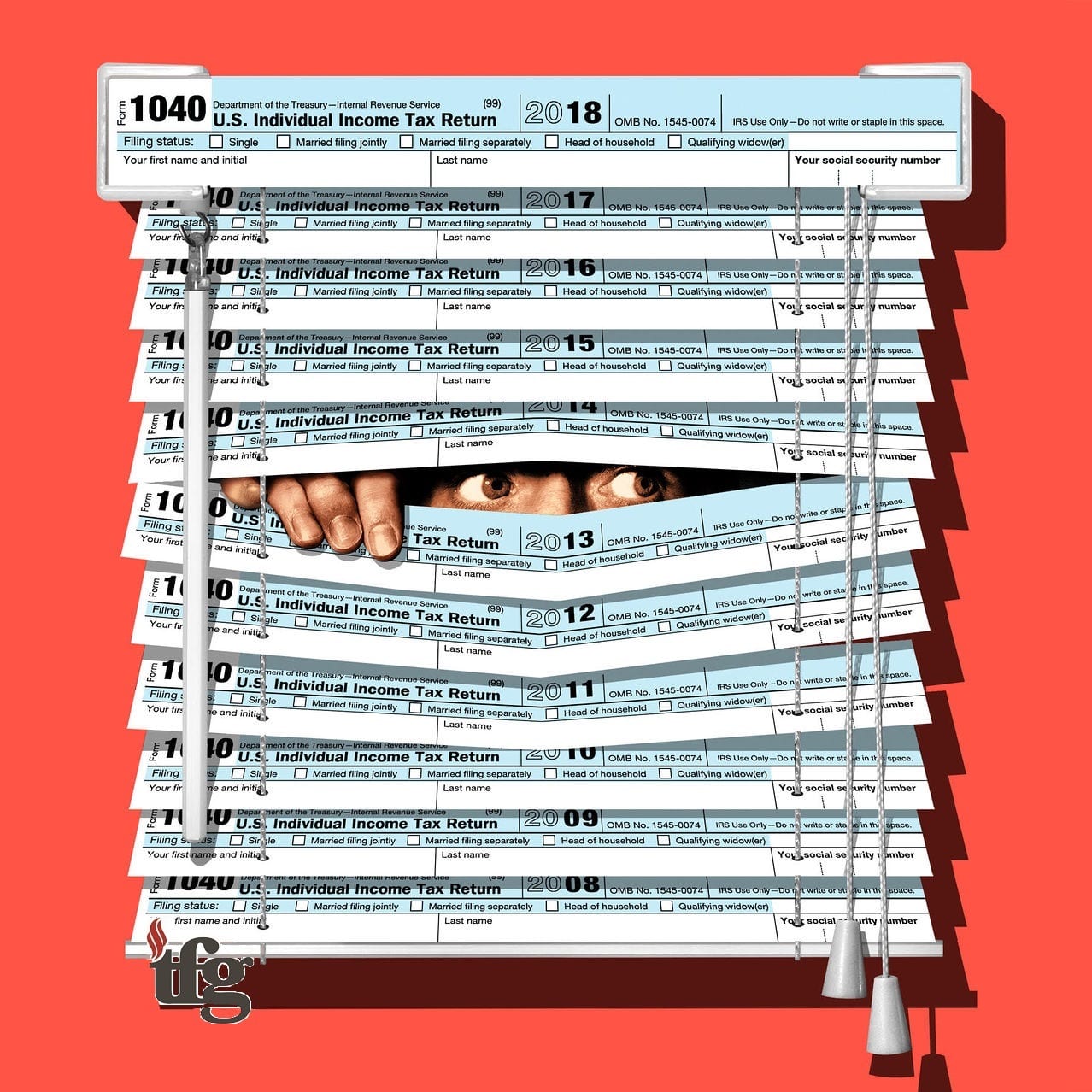
They don’t go away, and the IRS will never forget if you owe them $$$. Penalties can easily spiral out of control and add thousands of dollars to your tax burden. Penalties can be the result of many things, so learn how to avoid them – the most common are below:
• Individuals Failure to Pay: Taxpayers failing to pay the tax they owe the IRS as stated on their tax return can result in a failure-to-pay monthly penalty of 0.5%. The penalty is added to the tax bill until the balance is paid or it reaches 25%.
2: If the taxpayer files their return on time and requests an installment agreement, the 0.5% failure-to-pay penalty rate decreases to 0.25%.
3: In addition to these penalties, the IRS also charges interest on unpaid taxes! Interest on unpaid tax is compounded daily, with a rate equal to the current federal short-term interest rate plus 3%. As of March 1, 2020, the combined interest rate for unpaid tax is 4.49%.
4: Taxpayers such as Independent Contractors can be penalized for failing to pay their estimated tax, too.
2: If the taxpayer files their return more than 60 days after it was due, there’s a minimum penalty for late filing which is the lesser of $210 or 100% of the tax owed.
2: It is illegal not to file, and to do so may cost civil as well as criminal penalties! The penalty is $195 for each person who was a partner or shareholder at any time during the year, for each month or part of a month following the return due date that the information remains missing, for up to 12 months.
3: If tax is due, the penalty is the amount stated above plus 5% of the unpaid tax for each month or part of a month that the return is late, up to a maximum of 25% of the unpaid tax.
4: The penalty for filing late is 5% of the taxes you owe per month for the first five months – up to 25% of your tax bill. The IRS will also charge you interest until you pay off the balance.
5: If you filed for an automatic extension, no penalties are applied if you paid at least 90% of your actual tax liability by the due date and the balance by the extension date.
2: The minimum penalty for a return that is more than 60 days late is the smaller of the tax due or $435. (https://www.irs.gov/pub/irs-pdf/i1120.pdf). The penalty will not be imposed if the corporation can show that the failure to file on time was due to reasonable cause.
3: Even if the corporation wouldn’t have reported any taxable income had the return been filed, the IRS will still charge a penalty if the return is more than 60 days late.
4: Interest is charged on taxes paid late even if an extension of time to file is granted.
5: Interest is also charged on penalties imposed for negligence, fraud, substantial valuation misstatements, substantial understatements of tax, and reportable transaction understatements from the due date (including extensions) to the date of payment.
IN SUMMARY: These common tax penalties are usually accrued because taxpayers are either ignorant of the process, make simple mistakes, or do not realize how serious the IRS is about collecting taxes owed. Keep in mind, when you make payments to the IRS, those payments will be applied to the tax owed first, then penalties, and to the interest last.
Working with a tax professional like those at Fuoco Group can help you avoid tax penalties in the first place. Unlike the rules that apply to individuals, a tax return must still be filed on behalf of a corporation even if it doesn’t have any taxable income to report. However, even if a client does end up with tax penalties, we can often reduce or eliminate certain amounts through the tax resolution process.
Often your Fuoco professional can get penalties waived by convincing the IRS that the late filing was due to reasonable cause, though this generally requires more than just inconvenience or ignorance of the filing deadline. “Safe harbor” penalty relief for small Partnerships may be available with 10 or fewer Partners that meet certain IRS qualifications.
We warn you that even if there are no penalties involved, failing to file Form 1120 allows the IRS to audit the missing tax year at any time. An audit can cost your business more than just the tax you didn’t realize the corporation owed.
Can’t pay the taxes or penalties you owe? Never ignore a notice from the IRS for taxes due or penalties – it could result in a levy or lien. If you cannot pay at least 90% of the taxes you owe by the original tax deadline, you will probably owe penalties. How can you pay your tax bill when the balance due keeps adding up?
2. Apply for an installment payment plan with the IRS or make an offer-in-compromise.
CONTACT US: Your Fuoco Group Professional can help you avoid IRS tax penalties in the first place and guide you in compliance for future tax seasons. If you are a reluctant taxpayer that has failed to file their income taxes in the past, our tax professionals should be the first line of defense that you turn to for help. Contact us at CPA@fuoco.com.