
The Trend Is Not Your Friend
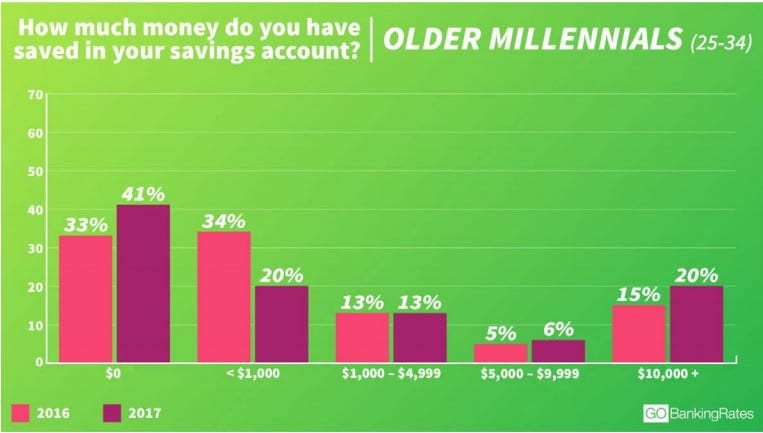
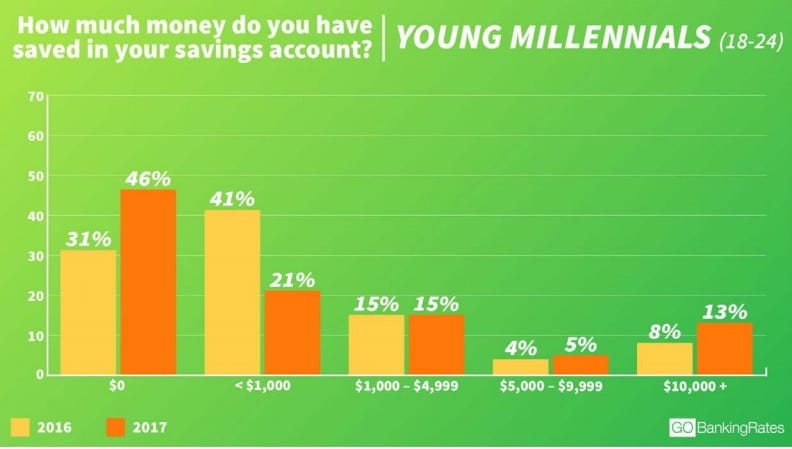
Millennials may look financially healthy on the outside, but studies show 66% have nothing saved for retirement!
Are you one of the many Millennials not saving? Between having to pay for food, medical bills, rent, and student loans, there’s often not much left over. Perhaps you think retirement goals are not a high priority in spite of increased life expectancy?
There might be many reasons Millennials might find it hard to save like an upcoming marriage, a child on the way, daycare needs, or competing priorities like home ownership. Taking into account the poor participation rate of Millennials in employer 401(k) plans, one could assume that they value liquidity, and are willing to delay financial independence.
The Benefits of Investing Early
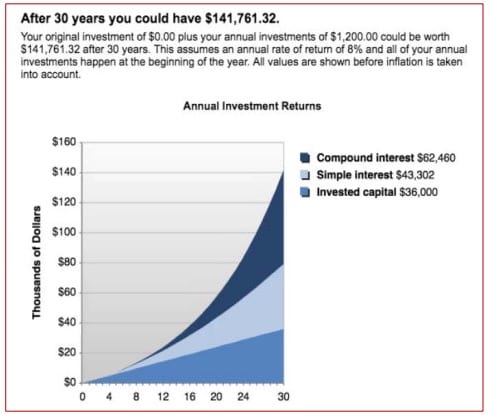
It’s important to remember time is on your side when making sound investments to save for retirement. Some of the key benefits are compounding growth, and a higher return over time compared to simple savings accounts. It can be easier than you think to get started – open an IRA if you are not 401(k) eligible, put away the money you save on taxes or invest rather than spend your refund! It is easy to supplement your financial strategy as your earning power and income grows.
Six Steps to Success
Designing a plan does not have to be confusing or complex. There are just six steps you need to follow:
- Analyze your cash flow,
- Prioritize your expenses,
- Build a better budget,
- Set goals, both short term and long term,
- Follow up or adjust your plan quarterly as needed, and
- Don’t be nervous – get educated instead!
Afraid To Admit You Don’t Know Much About Investing?
Do these questions keep you awake at night:
- How much do I need to retire in the style I wish?
- How will I stick with my financial plan when times are tough?
- How do I get the sound professional help I need to not make expensive mistakes?
Why not work with a trusted financial advisor? It is important to consider the advantages of professional assistance and access to tools for goal planning, guidance on investment selection, and focused plan of execution of strategy. Working with a professional financial advisor creates accountability, allows for a non-biased perspective, and gives you access to research and insight.
What should you consider when choosing a financial advisor? Here’s what to look for:
- How do they get compensated – fee vs commission based
- Their qualifications – CFP, CPA, IAR, or Fiduciary etc.
- What motivates them – are their goals your goals?
Don’t be afraid to admit you don’t know much about investing. Statistics show 25% of Millennials invest in low risk, low return CDs, money market funds or keep cash in saving accounts. Many young professionals invest cautiously in spite of having years to weather storms in the market. Some may wrongly feel that even if they did know more, they still can’t afford to invest. Others don’t feel a need to “rush” to save, or think now is just not the right time. In fact, it’s never too early to start investing, even in a small way. When done the right way, you can accelerate your savings growth and achieve your financial goals faster, build that retirement nest egg, and protect your family.
Contact Us: Not all financial firms are created equal or have high fiduciary standards. TFG’s unique 360 degree approach consists of customized portfolio design, personalized asset management, tax efficient planning, an interactive goal setting process, and an integrated menu of services. And the best news for Millennials: No minimums and an eMoney dashboard we build together. Feel free to contact me, Cory Lyon, directly at 561-209-1120, with any questions regarding financial investment strategies. I act as a fiduciary for all my clients.
TFG Financial Advisors, LLC is a registered investment advisor. Information presented is for educational purposes only and does not intend to make an offer or solicitation for the sale or purchase of any securities, and past performance is not indicative of future results. Investments involve risk and are not guaranteed. Be sure to first consult with a qualified financial adviser and/or tax professional before implementing any strategy discussed here.