2016 charitable deductions: Substantiate them or lose them Sharing your wealth with a favorite charity can benefit those in need and reduce your taxable estate. In addition, your donations can ease your income tax liability. But you must meet IRS substantiation requirements. If you fail to do so, the IRS could deny the corresponding deductions...

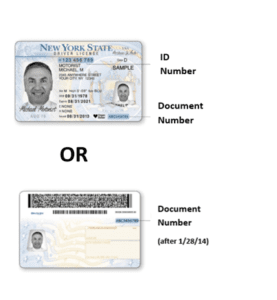
New York State Tax Filers Face New Drivers’ License or State Issued ID Requirement for Tax Year 2016
New York State Tax Filers Face New Drivers’ License or State Issued ID Requirement for Tax Year 2016 All New York State resident and nonresident taxpayers are now required to provide driver’s license numbers or state-issued IDs as part of the e-filing process for a personal income tax return or extension. This mandate issued by...
To deduct business losses, you may have to prove “material participation” You can only deduct losses from an S corporation, partnership or LLC if you “materially participate” in the business. If you don’t, your losses are generally “passive” and can only be used to offset income from other passive activities. Any excess passive loss is...

3 Strategies for Tax-Smart Giving Giving away assets during your life will help reduce the size of your taxable estate, which is beneficial if you have a large estate that could be subject to estate taxes. For 2016, the lifetime gift and estate tax exemption is $5.45 million (twice that for married couples with proper...
The 529 savings plan: A tax-smart way to fund college expenses If you’re saving for college, consider a Section 529 plan. Although contributions aren’t deductible for federal purposes, plan assets can grow tax-deferred. (Some states do offer tax incentives for contributing.) Distributions used to pay qualified expenses (such as tuition, mandatory fees, books, equipment, supplies...