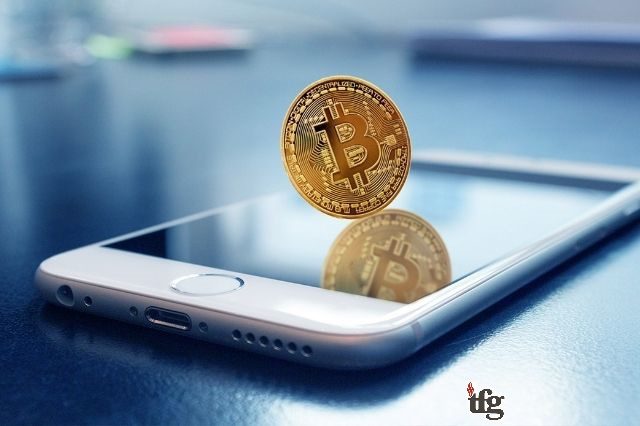
As Elon Musk is rumored to have said: “Crypto is everything you don’t understand about finance combined with everything you don’t understand about computers.” In that vein, we decided to compile some tips to help keep your digital wallet safe.
New crypto investors should avoid beginner blunders that can cost them. Savvy investors should not get snared by scammers or their crypto stolen.
- Guard your seed phrase, it gives a user access to all currency and data held in the wallet, including funds and private keys.
- Be mindful of where you have recorded it. Most platforms give users 10 guesses before it seizes up and encrypts its contents forever.
- Many sites look legit but are not, they are duplicate landing pages. No one should ever ask you for your seed phrase. If they do, “x” out of the site immediately. Do not click links or download files from any DMs on platforms such as Twitter, Discord or Telegram.
- There are 2 types of crypto wallets, hot wallets and cold wallets. Hot wallets are digital and prone to hacking. Cold wallets are offline and safer because they can only be connected to the blockchain using your private key. Whichever you use, be safe:
- Always have two-factor authentication (2FA) on all wallets and exchanges that allow it.
- Never give out your private key.
- Don’t keep your crypto on an exchange unless you plan to actively trade it. The only thing standing between a hacker and your funds is your basic password.
- Doublecheck the address to which you send money. Sending money to the wrong wallet address is one of the easiest, careless and most common errors beginners make. Do not try to type in each character one at a time, as this leaves a significant margin for error. Once you’re ready to send your cryptocurrency, check the address one more time. Then check it again.
- Try to minimize gas fees paid to verify and execute transactions on a blockchain. Often they can cost more than the value of the transaction itself. Some transactions are time-sensitive, but moving tokens from one personal wallet to another, can be much less urgent. Use Etherchain’s GasNow tool to find a time when gas is relatively low.
- Don’t buy high and sell low or follow one sided opinions. Like regular investing, always have a long term plan and keep your emotions out of the game. Manage risk and diversify. Don’t fall into the get-rich-quick allure of the cryptocurrency or give in to the fear of missing out. Never invest more than you can afford to lose, these markets are extremely volatile.
We get inquiries all the time about whether or not crypto belongs in a well-rounded portfolio. Be aware of its limitations and lack of safety. There is too little market confidence in the value and stability of cryptocurrency necessary for it to be used for the purchase of goods and services. Right now, it is hard to believe that even the most exchanged cryptocurrency will ever achieve the price stability necessary for sellers to accept it. Today, there is no market for direct exchange of cryptocurrency, with purchases instead relying first on liquidation of the crypto to a currency.
The Federal Reserve knows that “crypto” is not going away and has assembled a task force to study it in depth.
The IRS treats crypto as a financial asset or property and will treat properly documented gains and losses in crypto liquidation just like other assets. Transactions in crypto are completely transparent to anyone sophisticated enough to review the blockchain. This digital trail will certainly be used by governments to track exchanges. It is already undeniable that crypto is being used in money laundering, ransomware attacks and other criminal activities to avoid federal banking oversight. Even if the blockchains are secure, other crypto repositories, such as exchanges and wallets, have been hacked, with reported losses in the millions of dollars. Tread carefully.
Reach Out To Us: Cryptocurrency as an investment and a method of exchange will not be, nor should it be eliminated. Blockchain technology is an incredible advancement in the security and utility of information exchanges. Certain appropriate uses are already emerging, and investing in more speculative alternative assets is certainly an appropriate part of a diversified portfolio with a high risk tolerance. However, one must consider the inherent risks faced by early crypto adopters. Might we suggest a conversation about alternative strategies that don’t sacrifice gains for safety?
Feel free to contact me, Cory Lyon, directly at 561-209-1120, with any questions. At TFG Financial Advisors, our goal is to assist you in making informed decisions. We believe in personalized asset management, and I act as a fiduciary for all my clients.